



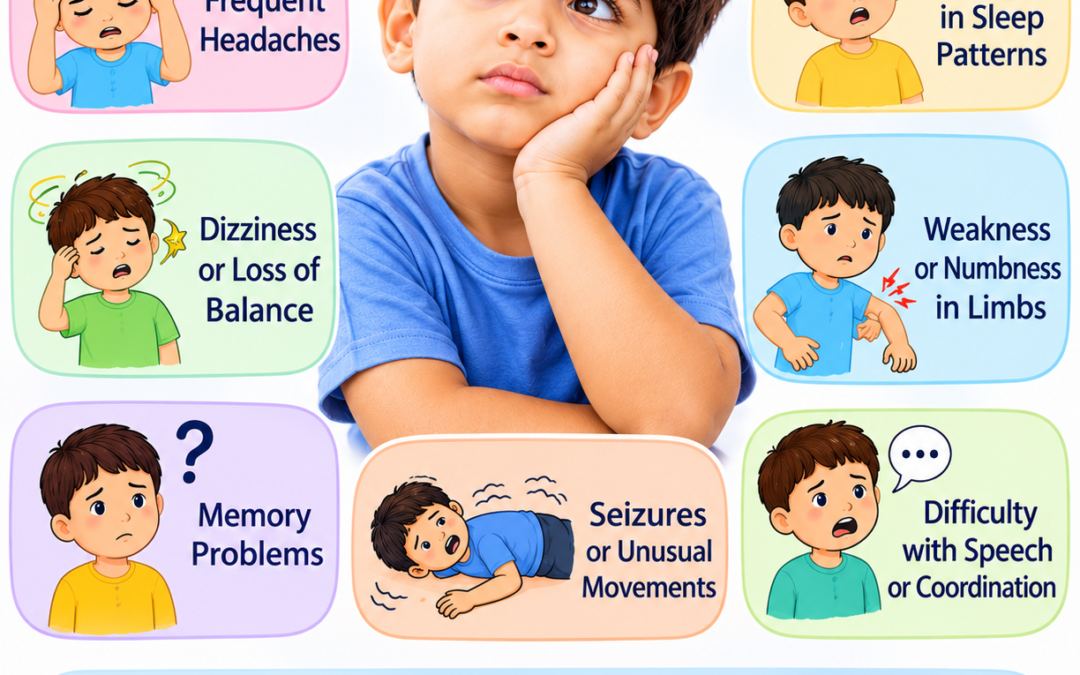
The early signs of a neurological problem depend on where the trouble starts, whether in the brain, the spinal cord or the nerves. These three run almost everything the body does, so a first sign can be as small as a tingling thumb or as loud as a collapse. Some people get weeks of warning. Others get none.
According to the Medical Oncology Team at KNMH, the symptom most often put off is a headache. One that worsens over several weeks, or arrives with vomiting on waking, needs a scan and not another painkiller. Most turn out to be harmless. A few are tumours, and those are far easier to treat when found early.
Wondering where to go for scans and specialist care? Read: What Is a Regional Cancer Centre and Why Does It Matter?
What Are the Common Neurological Symptoms?
These rarely announce themselves. They creep in, and people put them down to age or a bad week.
- Numbness and Tingling – Pins and needles in the feet that spread upward over months. The nerves are usually the cause, and diabetes is the commonest reason, so blood sugar is checked first.
- Weakness and Clumsiness – Cups slipping out of the hand. The same step catching a foot twice in one week. Buttons taking longer than they used to. Handwriting growing smaller on the page.
- Memory and Word Trouble – Everyone forgets a name. Forgetting that a whole conversation took place is different, and so is getting lost on a road walked for twenty years.
- Tremor and Stiffness – A hand that shakes while resting and settles when it reaches for something. A slower walk, an arm that has stopped swinging. Parkinson’s disease often begins this way.
The hospital’s list of services includes a Neuro department for consultation.
Which Warning Signs Need Urgent Attention?
Some of these early symptoms of neurological disorders cannot wait for an outpatient slot. Go to an emergency department.
- Face, Arm and Speech – One side of the face droops. One arm will not lift. Words come out slurred. Treat it as a stroke until a doctor says otherwise, because the first few hours decide how much of the brain is saved. Note the time it began.
- A Sudden, Severe Headache – It reaches full strength within a minute and is the worst the person has ever had. A headache with fever and a stiff neck is just as urgent.
- A First Seizure – Convulsions, a blank stare that does not break, or a collapse with no explanation. Even if the person seems fine afterwards, the cause has to be found.
- Sudden Loss of Vision or Balance – One eye going dark. Double vision from nowhere. Dizziness so strong that standing is impossible.
When the cause is not obvious, scans and blood tests narrow it down, in the same way described in our post on how cancer is diagnosed step by step.
What Determines the Right Treatment Approach for Neurological Problems?
The same symptom can come from very different causes, and the plan follows the cause.
- The Underlying Cause – A stroke, epilepsy, nerve damage and a brain tumour are each treated in their own way. A tumour may call for surgery, radiation therapy, or both.
- How Fast It Began – Minutes means an emergency. Months leaves room for planned tests.
- The Tests Needed – An MRI or CT scan for the brain and spine, an EEG for electrical activity, nerve conduction studies for the arms and legs. The symptom decides which one is ordered.
Age and Other Illness – Blood pressure, diabetes, heart disease and the medicines already being taken all limit what is safe to give.
Key Takeaways
- The first sign can be tiny, like a tingling thumb, or sudden, like a collapse. Both count.
- Numbness, tremor or forgetfulness that is getting worse over weeks should be examined.
- Slurred speech, a drooping face, a weak arm, a sudden worst-ever headache or a first seizure: go to an emergency department.
- Scans and tests come first. The treatment depends on what they show.
FAQ
What is usually the first sign of a neurological disorder?
It differs from person to person. Tingling, a weak grip, forgetfulness and a shaky hand are the ones we see most.
When does a headache need a scan?
When it hits suddenly and hard, keeps getting worse, or comes with vomiting, fever or weakness in a limb.
Can stress alone cause tingling or dizziness?
Sometimes. But if it lasts more than a couple of weeks, or spreads, get it examined anyway.
Which doctor should I see first?
A neurologist is the right one. A family physician can examine you first and refer you on.
Reference
- National Institute of Neurological Disorders and Stroke – Disorders: https://www.ninds.nih.gov/health-information/disorders
- American Stroke Association – Stroke Symptoms: https://www.stroke.org/en/about-stroke/stroke-symptoms
Disclaimer: This blog is for general information only and does not replace professional medical advice; transplant eligibility depends entirely on individual diagnosis and health status.